
A lid that manages moisture
The tight fit and underside spikes return condensation to stews and roasts.
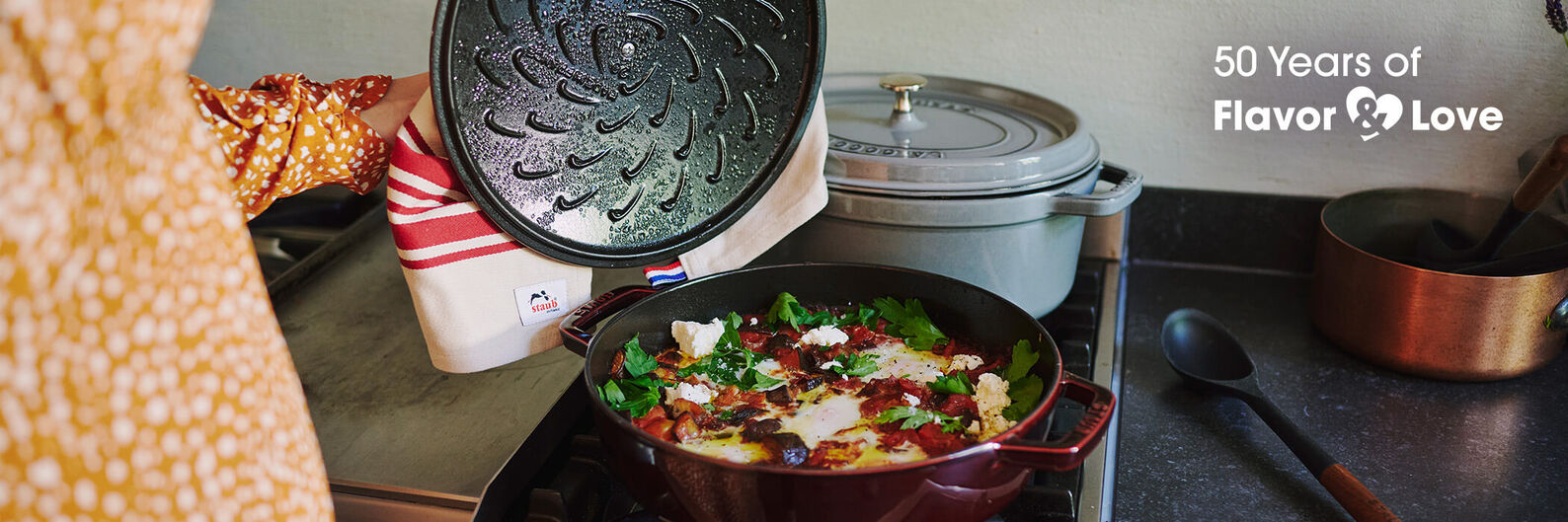
Made for slow suppers and full tables
From beef and lamb stews to soda bread, Sunday roasts and oven bakes, STAUB brings steady heat and stove-to-table ease to the way Ireland cooks.
STAUB began in Alsace in 1974. Its enameled cast iron suits recipes that begin with good browning, continue at a gentle pace and arrive at the table still warm.
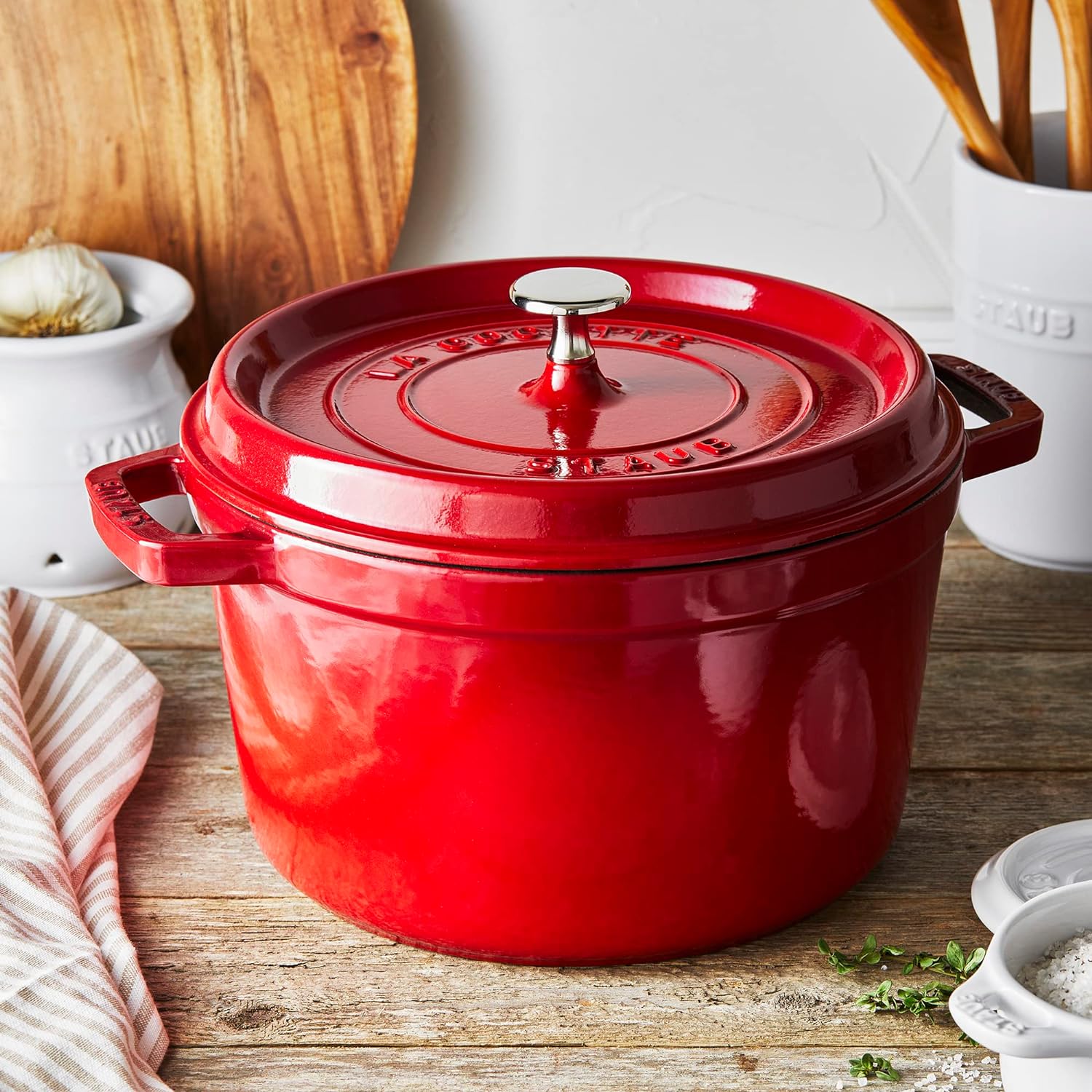
Irish stews, bread and roasts reward steady heat more than constant intervention. Cast iron creates that calm cooking environment.
Once warm, cast iron supports a gentle simmer through long, cool-weather cooking.
Develop colour, add liquid, move to the oven and serve without changing vessels.
The same cocotte handles bread, summer vegetables and one-pot suppers throughout the year.
START WITH YOUR QUESTION
Choose the route that matches where you are today. Each one leads to practical guidance, not another product grid.
01 · CHOOSE
Compare size, shape and material around the food you actually cook.
Open buying guide0102 · COOK
Learn how retained heat, the lid and gradual preheating change the result.
Go to cooking lab0203 · CARE
Solve stuck food, residue and storage questions without harsh treatment.
Open care guide03Pick the shape for your usual dishes, then size it for the number normally around your table.
For stews, soups, casseroles, soda bread, roasts and one-pot family meals.
Shop cocottesCOOK BY DISH
Choose the result you want. We will match the shape, heat rhythm and first dishes worth trying.
What are you cooking?
YOUR MATCH
Cocotte
Deep sides, retained heat and a tight self-basting lid suit soups, stews, bread and long braises.
Irish stew
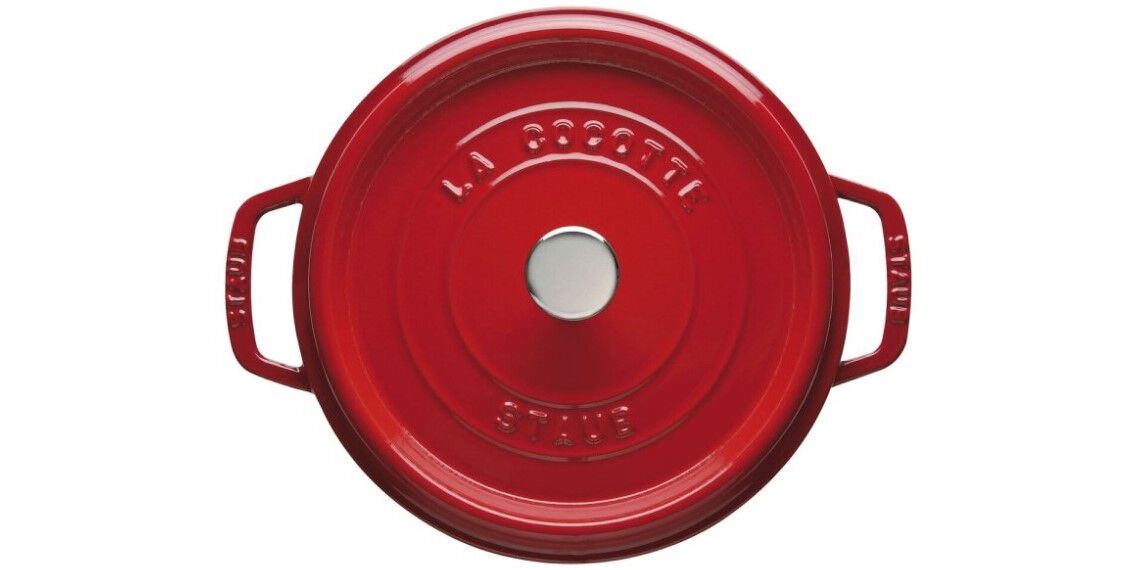
Slow and covered
Brown on low-to-medium heat, add liquid, cover and reduce early.
Two quick choices turn a wide collection into one practical starting point.
Choose your cooking style and batch size. Your match will appear here.
Its depth and balanced footprint suit stew, soup, casserole, bread and a compact roast.
High sides hold liquid and leave room for meat, roots and barley.
A close lid traps moisture early in baking to support a confident crust.
Four to five litres often balances family capacity with manageable weight.
Layered enamel gives each colour enough character for serving without feeling reserved for special occasions.
18 signature colours
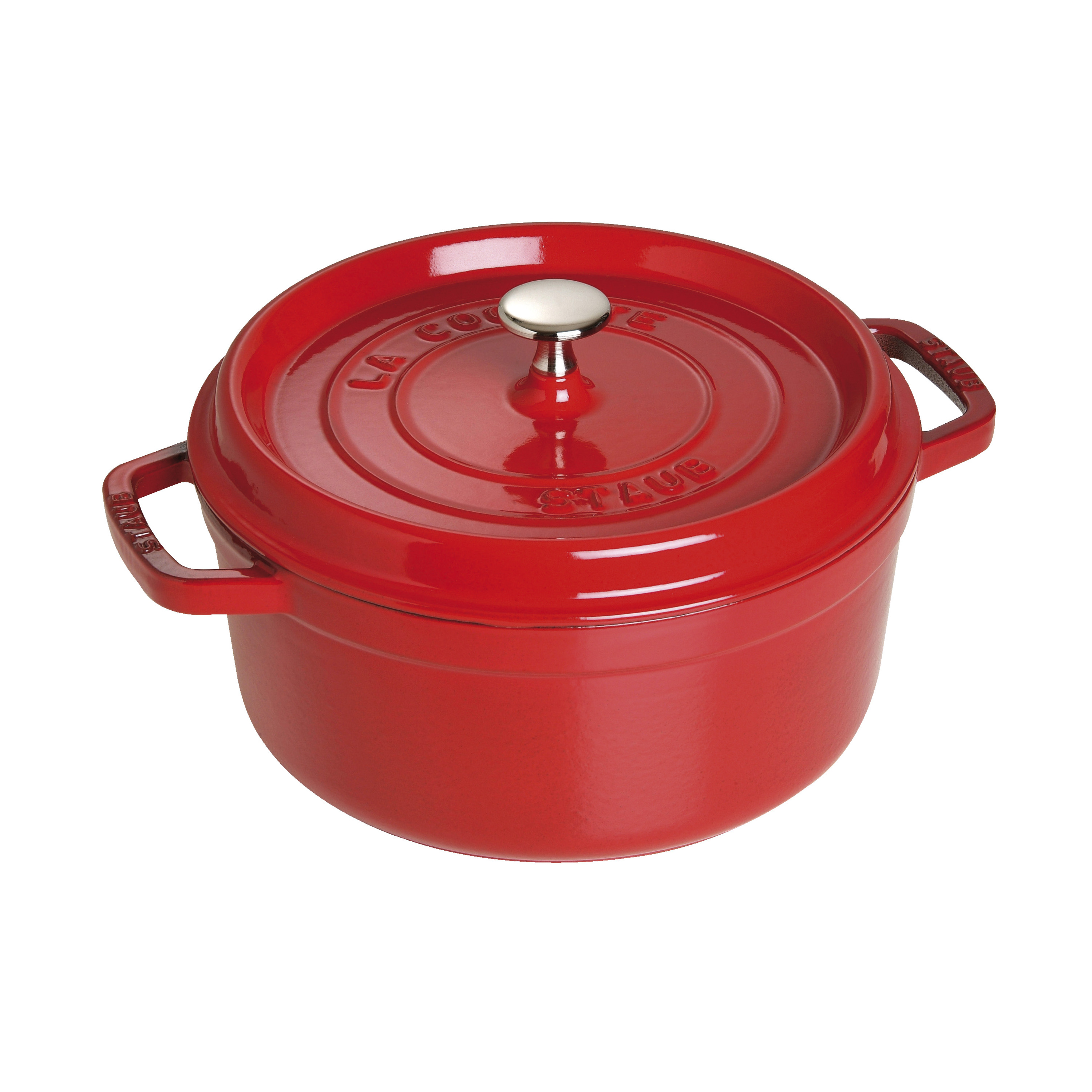
Cherry
#a90e1a
Try it with
Colour availability varies by collection, size and market. Check the retailer listing before choosing.
Product imagery is a colour reference; shape and knob may vary.
01 / 03
The same surface that browns a joint can carry a sauce through a gentle oven finish.
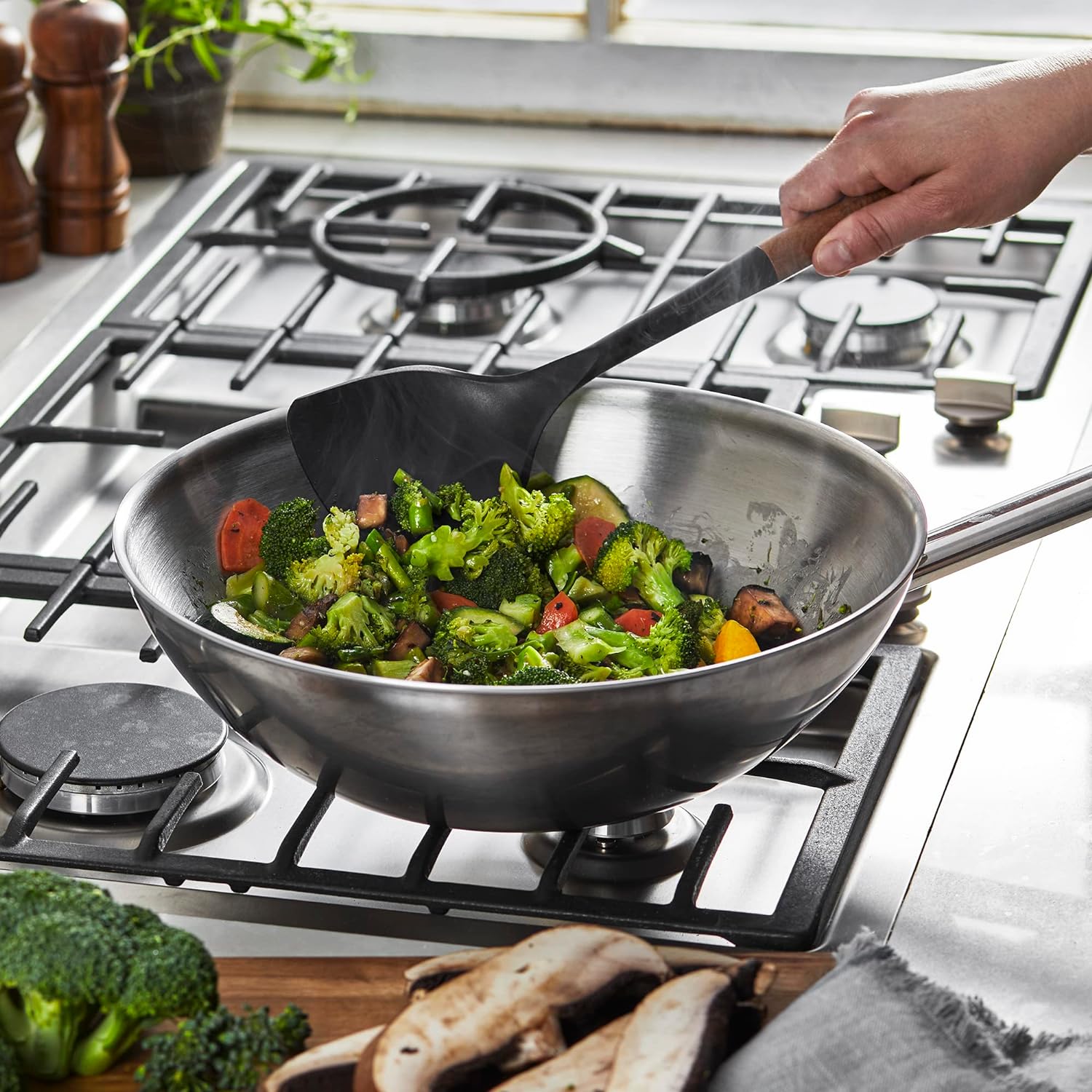
Stable browning before liquid
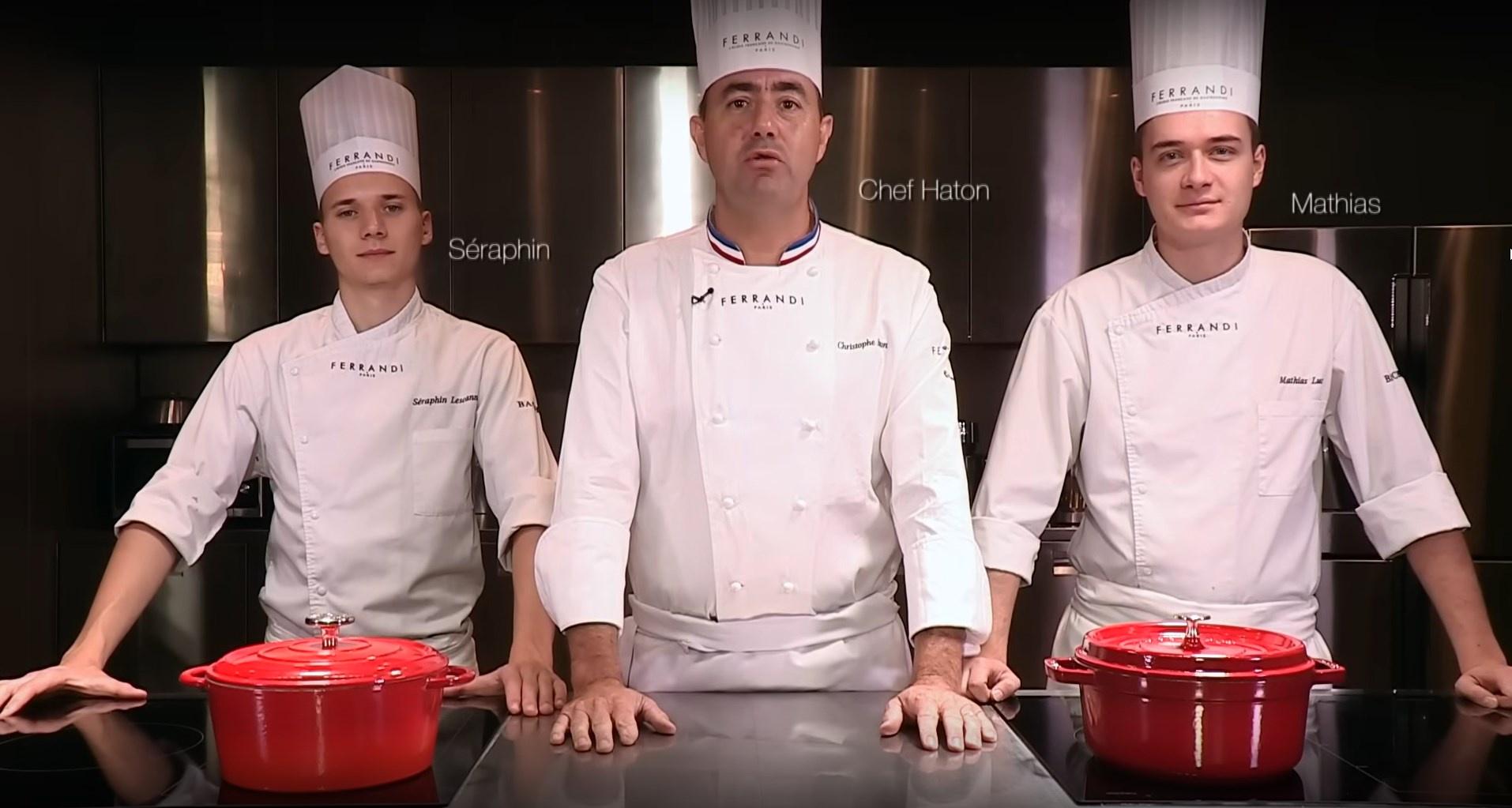
Discover the production stages behind each enameled cast-iron piece.
01 / 04
The cocotte balances browning, moisture and heat retention for dishes that improve with time.
The tight fit and underside spikes return condensation to stews and roasts.
Supports browning without the seasoning routine required by bare cast iron.
Cast iron continues holding heat while portions are served and shared.
The right cocotte handles a midweek soup, a loaf on Saturday and the roast or stew that anchors Sunday lunch.
Root vegetables and pulses cook steadily once the heat is lowered after the first simmer.
Compare shapes, capacities and colours, then check current availability on Amazon.ie.
Explore on Amazon.ieAffiliate link. MySTAUB may earn from qualifying purchases at no extra cost to you.
Straightforward answers on hob compatibility, capacity and care.
The best first STAUB should fit an ordinary Tuesday as comfortably as a Sunday gathering.
Choose depth for stews and bread, an oval shape for regular whole roasts, or a braiser for more browning area.
A better first choice
Turn portions, recipes and available space into a practical size and shape decision before you buy.
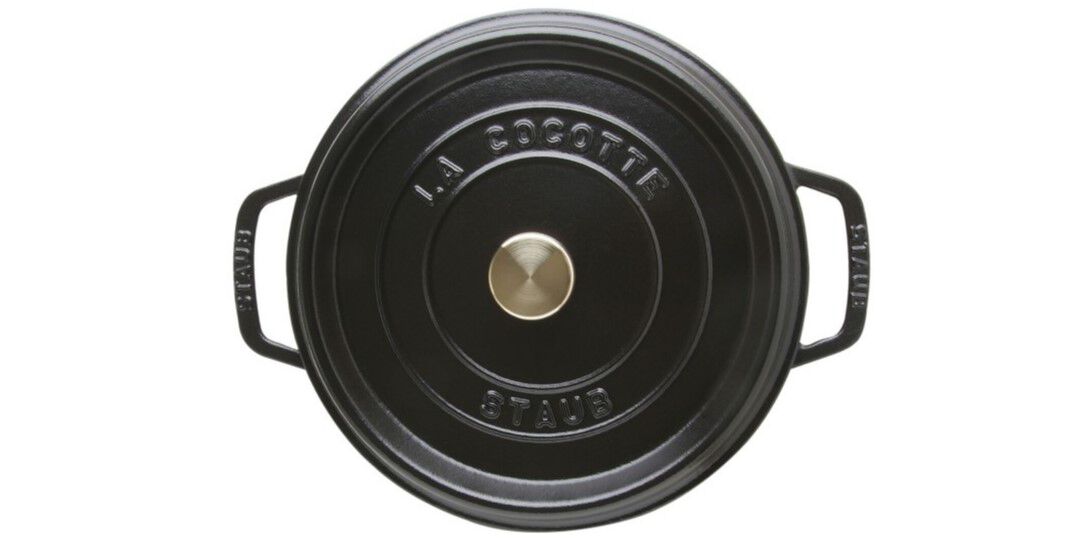
CARE DESK
Pick what you see. The first safe steps appear immediately, with no guesswork and no aggressive scrubbing.
Select a situation
If you are still cooking, wait for a proper crust: well-seared food often releases naturally.
After cooking, let the piece cool completely before adding water.
Soak with warm water and liquid dish soap, then use a soft sponge or brush.
Do not attack the enamel with a metal scourer or sharp tool.
See the complete care guideKnowledge for Irish kitchens
Fifteen practical notes for portions, induction, stews, bread, roasts and everyday care.
These experiences focus on what lasts beyond first impressions: useful sizing, dependable heat and cookware that works for ordinary meals as well as Sunday.
It browns beef properly, then settles into the quiet simmer a good stew needs.